
1A Common Winter Nightmare for Canadian Homeowners
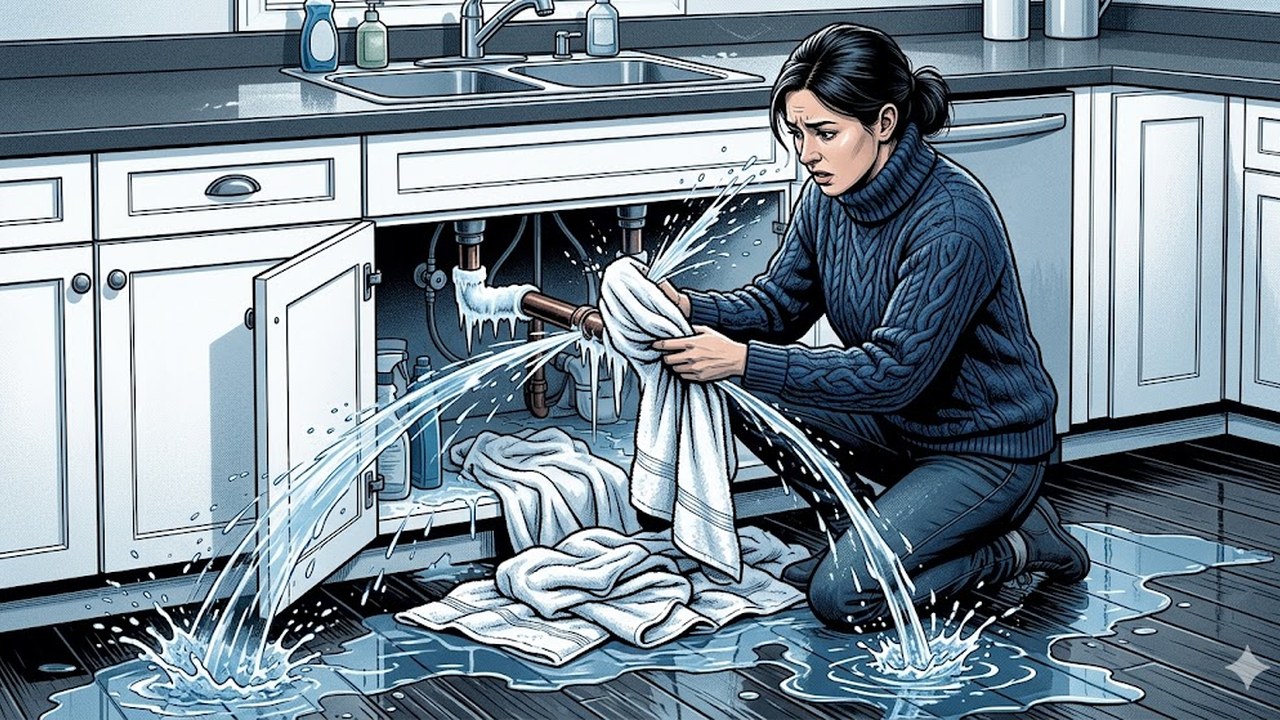
Every winter, thousands of Canadian homes suffer water damage from frozen and burst pipes. When temperatures plunge below -20°C — routine in much of Canada from December through March — water inside pipes can freeze, expand, and crack the pipe walls. When the ice thaws, water pours out at full pressure, flooding walls, ceilings, and floors.
A single burst pipe can release hundreds of litres of water per hour. If no one is home to notice, the damage can be catastrophic — $5,000 to $50,000 or more in structural repairs, content replacement, and mould remediation.
The good news: most home insurance policies in Canada do cover burst pipe damage. But there are important conditions and exclusions you need to understand before you rely on that protection.
2What Home Insurance Covers for Burst Pipes
When a pipe bursts suddenly and accidentally, your home insurance typically covers:
- Water damage to your home: Drywall, flooring, insulation, cabinetry, and structural components damaged by the escaping water
- Personal property: Furniture, electronics, clothing, and other belongings destroyed by water damage
- Cleanup and restoration: Professional water extraction, drying, and dehumidification services
- Mould remediation: If mould develops as a direct result of the burst, removal costs are typically covered
- Additional living expenses: If you need to stay elsewhere while repairs are completed, your policy may cover hotel and meal costs
The key word is sudden. Insurance covers unexpected accidents — not foreseeable problems you could have prevented.
3When Your Burst Pipe Claim Could Be Denied
Insurers will investigate burst pipe claims carefully. Here are the most common reasons claims get denied or reduced:
Lack of Heating
If your home's heating system was turned off or set too low during freezing temperatures, your insurer may consider the damage preventable. Most policies require you to maintain a minimum indoor temperature — typically 15°C (59°F) — during winter months.
Extended Absence Without Precautions
If you're away from home for more than 24 to 72 hours (the exact timeframe varies by insurer), many policies require that someone checks on your home daily. If pipes freeze while you're on a two-week vacation and no one was checking, your claim may be denied.
Gradual Leaks vs. Sudden Bursts
A pipe that has been slowly leaking for weeks or months is considered a maintenance issue, not an insurable event. If your insurer's adjuster determines that the leak was gradual rather than sudden, coverage will be denied. Signs of gradual leakage — water stains, warped flooring, persistent dampness — work against your claim.
Known Issues You Didn't Fix
If a plumber previously identified a problem with your pipes or plumbing system, and you chose not to repair it, your insurer may argue that the resulting damage was foreseeable and deny your claim.
4Why Pipes Burst in Canadian Winters
Understanding why pipes burst helps you prevent them. Water expands by approximately 9% when it freezes. In a closed pipe, this expansion creates immense pressure — up to 40,000 PSI — which no residential pipe can withstand.
The most vulnerable pipes are:
- Pipes along exterior walls with insufficient insulation
- Pipes in unheated spaces — garages, crawl spaces, attics, and unfinished basements
- Outdoor faucets and hose bibs that weren't properly shut off and drained before winter
- Pipes in mobile or modular homes with less insulation than conventional construction
Interestingly, pipes rarely burst at the exact point where the ice forms. Instead, the pressure builds between the ice blockage and a closed faucet downstream, and the pipe fails at its weakest point — which may be in a wall or ceiling far from the frozen section.
5How to Prevent Frozen and Burst Pipes
Prevention is the best protection — both for your home and your insurance standing. Here's what to do:
Before Winter
- Insulate exposed pipes: Wrap pipes in unheated areas with foam insulation sleeves. Focus on garages, crawl spaces, and along exterior walls
- Disconnect outdoor hoses: Shut off the indoor valve that supplies outdoor faucets, open the outdoor tap to drain remaining water, and leave it open for the winter
- Seal drafts: Close gaps around pipes where cold air enters — especially where plumbing passes through exterior walls
- Service your furnace: A heating system failure during a cold snap is one of the most common triggers for frozen pipes
During Cold Snaps
- Keep your thermostat at 15°C or higher — day and night, whether you're home or not
- Open cabinet doors under kitchen and bathroom sinks on exterior walls to let warm air reach the pipes
- Let faucets drip: A slow, steady drip keeps water moving through pipes and reduces the chance of freezing
- Keep garage doors closed if there are water supply lines in the garage
If You're Going Away
- Never turn off your heat entirely. Set the thermostat to at least 15°C
- Have someone check your home every 24 to 48 hours — this is often a policy requirement
- Consider shutting off the main water supply and draining the system if you'll be away for more than a few days
- Install a smart water leak detector that sends alerts to your phone. Some insurers offer premium discounts for these devices
6What to Do When a Pipe Bursts
If you discover a burst pipe, every minute counts. Here's your action plan:
- Shut off the main water supply immediately. Know where your shutoff valve is before an emergency happens — it's usually near where the water line enters your home.
- Turn off electricity in the affected area if water is near outlets, appliances, or the electrical panel. Do this at the breaker, not at the individual outlets.
- Open faucets to drain remaining water from the pipes and relieve any residual pressure.
- Document the damage. Take photos and videos of everything — the burst pipe, the water flow, and all damaged areas and belongings. Do this before you start cleanup.
- Contact your insurer. Report the claim as soon as possible. Ask about their preferred restoration vendors — using their network may simplify the claims process.
- Begin water extraction if you can do so safely. Use towels, a wet/dry vacuum, or a sump pump to remove standing water. The faster water is removed, the less secondary damage (including mould) occurs.
- Do not discard damaged items until your adjuster has inspected and documented them.
7Should You File a Claim for Burst Pipe Damage?
Not every burst pipe situation warrants an insurance claim. Consider the following before filing:
- What is your deductible? If the damage is close to your deductible amount ($500 – $2,500 for most policies), paying out of pocket may be smarter than filing a claim that could raise your premiums for 5 to 7 years.
- What is the total damage? Minor pipe repairs ($200 – $600) are almost always better handled out of pocket. Once damage reaches $5,000+, filing a claim usually makes sense.
- Is this your first claim? Some insurers offer first-claim forgiveness. If you've never filed a home insurance claim, the premium impact may be minimal.
- Can you document that it was sudden? If the damage clearly resulted from a sudden burst (not a slow leak), your claim is much stronger.
When in doubt, call your broker for advice before filing. You can discuss the situation without triggering a formal claim.
8Final Thoughts
Frozen and burst pipes are among the most common — and most costly — winter hazards for Canadian homeowners. The damage they cause is usually covered by home insurance, but only if you've taken reasonable precautions to prevent freezing in the first place.
The best protection is a combination of prevention (insulate pipes, maintain heat, check your home when away) and proper coverage (adequate water damage limits and a deductible you can afford). Take 15 minutes before winter to inspect your most vulnerable pipes — it could save you thousands in damage and a headache with your insurer.
Frequently Asked Questions
Yes, in most cases. If a pipe bursts suddenly and unexpectedly, your home insurance will typically cover the resulting water damage to your home and belongings. However, if the burst was caused by a lack of maintenance, a gradual leak you ignored, or because your home was left unheated during winter without proper precautions, your claim may be denied.
Home insurance generally covers damage caused by frozen pipes if the freezing was sudden and unexpected. However, most policies require you to maintain adequate heating in your home during winter — typically no lower than 15°C. If you leave your home unheated and pipes freeze, your insurer may deny the claim. If you leave for an extended period, many policies require someone to check on your home every 24 to 72 hours.
The cost varies significantly depending on the severity and location of the burst. Repairing the pipe itself typically costs $150 to $600. However, the water damage it causes is the expensive part — drywall repair, flooring replacement, mould remediation, and content restoration can easily total $5,000 to $50,000 or more for a serious burst that goes undetected.
Possibly. Water damage claims can increase your premium by 5% to 20% at renewal, and the claim stays on your record for 5 to 7 years. If the claim is relatively small (under $3,000 to $5,000), some homeowners choose to pay out of pocket rather than file a claim. Discuss the trade-off with your broker before filing.
Keep your home heated to at least 15°C, even when you're away. Insulate exposed pipes in unheated areas like garages, crawl spaces, and exterior walls. Open cabinet doors under sinks on exterior walls to let warm air circulate. Let faucets drip slightly during extreme cold snaps. If you'll be away for more than 24 hours in winter, consider shutting off the main water supply and draining the system, or have someone check your home regularly.
Get your home insurance quote in 90 seconds — make sure your water damage coverage is adequate.
Get Your Quote