

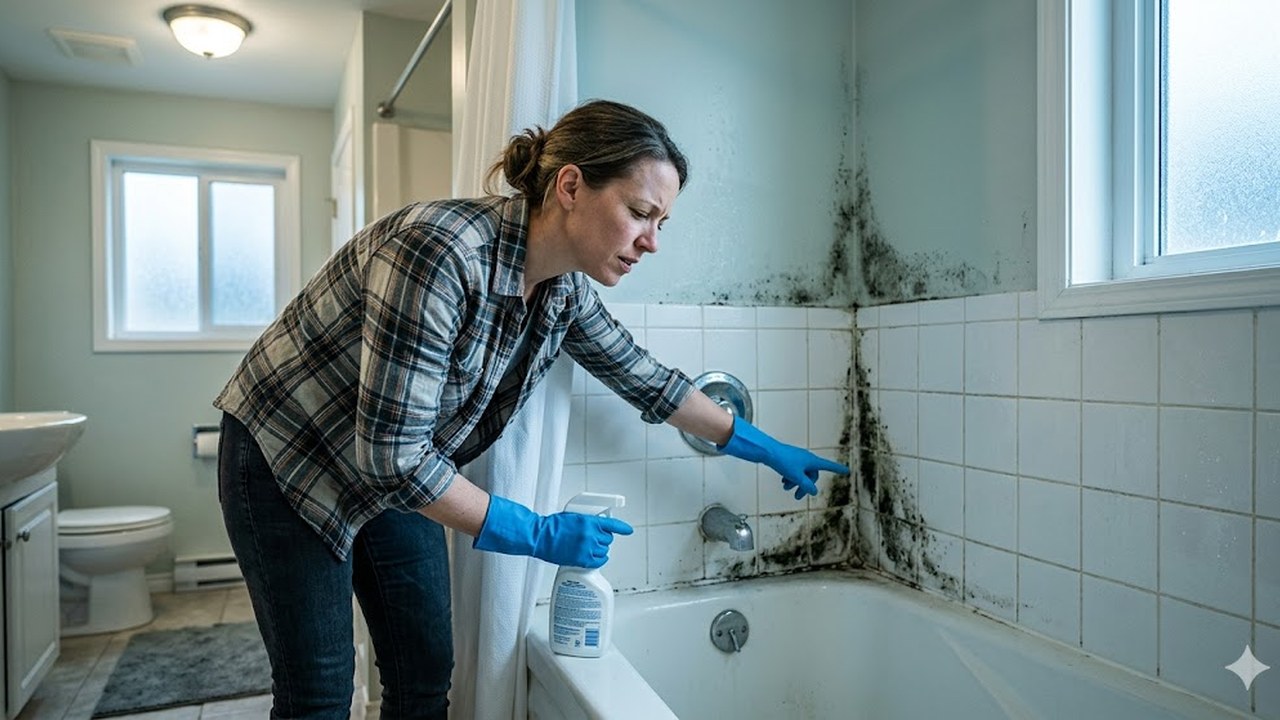
1Mould and Home Insurance: A Grey Area for Canadian Homeowners
Discovering mould in your home is alarming — and the first question most Canadian homeowners ask is: "Does my home insurance cover this?"
The answer is complicated. Mould coverage in Canada falls into a grey area that depends almost entirely on what caused the mould, not the mould itself. Your policy doesn't list "mould" as a covered peril or a blanket exclusion. Instead, coverage hinges on whether the mould resulted from a sudden, insured event or from gradual conditions you were expected to prevent.
This distinction matters enormously because mould remediation in Canada can cost anywhere from $2,000 to over $30,000, depending on severity. Getting it wrong — or assuming you're covered when you're not — can leave you with a massive out-of-pocket expense.
In this guide, we'll break down exactly when mould is covered, when it isn't, what remediation costs look like, how to file a claim, and how to prevent mould from becoming a problem in the first place.
2When Home Insurance Covers Mould Damage
Home insurance in Canada is built on the principle of covering sudden and accidental events. When mould is a direct result of one of these covered perils, your policy will typically pay for mould remediation as part of the overall claim.
Covered Scenarios
Here are the most common situations where mould damage is covered under a standard Canadian home insurance policy:
- Burst pipe: A water supply line suddenly bursts in your basement, soaking drywall and insulation. Mould develops within days. Because the burst pipe is a covered peril, the resulting mould remediation is included in the claim.
- Appliance malfunction: Your washing machine hose ruptures while you're at work, flooding the laundry room. Mould grows behind the affected walls. Covered.
- Fire suppression water damage: Your home suffers a small kitchen fire. The fire department uses water to extinguish it, saturating walls and ceilings. Mould develops in the weeks that follow. The mould remediation is part of the fire damage claim.
- Wind-driven rain: A severe storm tears shingles off your roof, allowing rain to penetrate your attic. Mould forms on roof sheathing and insulation. If wind damage is covered by your policy (and it typically is), the resulting mould is also covered.
- Frozen pipe that thaws and leaks: During a cold snap, a pipe freezes and then bursts when it thaws. The resulting water damage and mould are covered, provided you maintained adequate heating in your home.
The Key Principle
In all of these cases, the mould is a secondary consequence of a covered event. The insurer pays to fix the original damage and the mould that resulted from it. However, you're expected to act quickly — if you delay reporting or fail to mitigate the water damage, the insurer may limit or deny the mould portion of the claim.
3When Home Insurance Does NOT Cover Mould
This is where most homeowners are caught off guard. The majority of mould situations in Canadian homes fall outside standard insurance coverage. Here are the common exclusions:
Excluded Scenarios
- Gradual moisture buildup: Mould that develops over weeks or months due to high indoor humidity, condensation on windows, or poor air circulation. This is considered a maintenance issue.
- Slow leaks: A pipe fitting that drips slowly behind a wall for months, creating an ideal environment for mould growth. Slow leaks are classified as gradual damage — not sudden and accidental.
- Poor ventilation: Bathrooms, kitchens, or laundry rooms without adequate exhaust fans that accumulate moisture and develop mould over time.
- Foundation seepage: Moisture that seeps through basement walls or floors due to inadequate waterproofing or grading issues.
- Deferred maintenance: A roof that hasn't been maintained and develops small leaks over time, leading to mould in the attic or walls.
- Construction defects: Mould resulting from improper construction, such as inadequate vapour barriers, poor insulation installation, or missing flashing.
Why Insurers Exclude These
Insurance is designed to cover unpredictable, sudden events — not ongoing conditions that homeowners can prevent or address through routine maintenance. Insurers consider gradual mould a foreseeable consequence of neglect, and their policies are priced accordingly.
| Scenario | Covered? | Reason |
|---|---|---|
| Burst pipe causes mould in 3 days | Yes | Sudden, accidental covered event |
| Washing machine hose ruptures | Yes | Sudden appliance failure |
| Slow leak behind wall for 6 months | No | Gradual damage / maintenance |
| Condensation mould in bathroom | No | Poor ventilation / maintenance |
| Basement seepage through foundation | No | Gradual water intrusion |
| Mould after insured wind damage to roof | Yes | Result of covered wind peril |
| High humidity mould in crawl space | No | Maintenance / environmental |
4Mould Remediation Costs in Canada: What to Expect
Understanding the financial impact of mould helps you appreciate why coverage matters — and why prevention is always the smarter investment.
Cost Breakdown by Severity
| Severity Level | Affected Area | Typical Cost |
|---|---|---|
| Minor | Small patch (under 10 sq ft) | $500 – $2,000 |
| Moderate | Single room or contained area (10–100 sq ft) | $2,000 – $6,000 |
| Significant | Multiple rooms or within walls (100–300 sq ft) | $6,000 – $15,000 |
| Severe | Structural involvement, HVAC contamination | $15,000 – $30,000+ |
What Drives the Cost Up
Several factors can push mould remediation into the higher range:
- Location: Mould inside walls, behind cabinetry, or in HVAC ductwork requires demolition and specialized containment procedures.
- Type of mould: Black mould (Stachybotrys chartarum) requires stricter protocols and protective equipment than common surface moulds.
- Structural damage: If mould has compromised framing, subfloor, or roof sheathing, replacement costs add up quickly.
- Testing and inspection: Professional mould testing costs $300–$800 per session. Post-remediation clearance testing adds another $300–$500.
- Temporary accommodation: In severe cases, you may need to vacate your home during remediation. Additional living expenses (ALE) are covered by most policies only if the mould was caused by a covered peril.
According to the Insurance Bureau of Canada, water damage claims — which are often the root cause of insured mould issues — average approximately $20,000 to $40,000 and have been increasing steadily due to aging infrastructure and more frequent extreme weather events.
5How to File a Mould-Related Insurance Claim
If you discover mould that you believe resulted from a covered event, acting quickly and methodically is critical to a successful claim.
Step 1: Stop the Source of Moisture
Before anything else, address the water source. Shut off the water supply if there's a plumbing issue. Place tarps over roof damage. Remove standing water. Insurers expect you to take reasonable steps to mitigate further damage — failure to do so can result in a reduced or denied claim.
Step 2: Document Everything
Thorough documentation is your strongest asset when filing a mould claim:
- Take clear photos and videos of the water damage and any visible mould
- Record the date and time you discovered the damage
- Note the circumstances — what caused the water event and when it occurred
- Save any receipts for emergency mitigation expenses (water extraction, fans, dehumidifiers)
- Keep a written log of all communications with your insurer
Step 3: Contact Your Insurer Immediately
Report the claim as soon as possible. Most Canadian insurers require claims to be reported promptly — and some policies specify deadlines. Delaying notification can jeopardize your claim, especially for mould that develops rapidly after a water event.
Step 4: Get a Professional Assessment
Your insurer will likely send an adjuster, but having your own professional mould assessment provides an independent evaluation. A certified mould inspector can:
- Identify the type and extent of mould contamination
- Trace the moisture source to help establish the cause
- Provide a written report that supports your claim
- Estimate remediation scope and cost
Step 5: Don't Begin Major Repairs Until Approved
While you should take immediate steps to stop further damage, avoid beginning major demolition or remediation until your insurer has inspected the site or given you approval. Premature repairs can remove evidence that the adjuster needs to assess the claim.
Step 6: Keep All Receipts
Document every expense related to the mould damage — from emergency water extraction to temporary accommodation. Even if your insurer initially denies part of the claim, having detailed records gives you a stronger position for an appeal.
6When to Hire a Professional for Mould Removal
Not every mould situation requires professional remediation, but knowing where to draw the line is important for both your health and your wallet.
DIY-Appropriate Situations
You can typically handle mould yourself if:
- The affected area is smaller than 10 square feet (roughly 1 square metre)
- The mould is on non-porous surfaces (tile, glass, metal, sealed wood)
- You don't have respiratory conditions like asthma or allergies
- There's no water damage to structural materials like drywall or framing
For small areas, a solution of water and detergent or a commercial mould cleaner is usually sufficient. The Government of Canada recommends against using bleach for mould removal, as it doesn't prevent regrowth and can create harmful fumes.
When You Need a Professional
Hire a certified mould remediation company if:
- The affected area is larger than 10 square feet
- Mould is inside walls, ceilings, or HVAC systems
- You suspect black mould (Stachybotrys chartarum), which appears dark green or black and has a musty odour
- There's been prolonged water exposure (more than 48 hours of saturation)
- Occupants are experiencing health symptoms like persistent coughing, headaches, or allergic reactions
- The mould keeps returning after DIY cleaning
Choosing a Mould Remediation Company
In Canada, mould remediation is not regulated in all provinces, so choosing a qualified professional matters:
- Look for IICRC (Institute of Inspection Cleaning and Restoration Certification) certification
- Verify they carry liability insurance and workers' compensation
- Ask for references and check online reviews
- Get a written scope of work and cost estimate before any work begins
- Ensure they include post-remediation testing by an independent third party
7How to Prevent Mould and Protect Your Home Insurance Standing
Prevention is the most cost-effective strategy when it comes to mould — and it also protects your ability to make a claim if a covered event does occur. Insurers may deny claims if they find evidence of pre-existing mould conditions or deferred maintenance.
Indoor Humidity Control
- Keep indoor humidity between 30% and 50% year-round
- Use a hygrometer ($10–$30 at hardware stores) to monitor humidity levels
- Run a dehumidifier in basements, especially during summer months
- Use exhaust fans in bathrooms and kitchens — run them for at least 30 minutes after showering or cooking
Water Management
- Inspect plumbing annually — look for dripping faucets, sweating pipes, and signs of leaks under sinks
- Check appliance hoses on washing machines, dishwashers, and refrigerators every 6 months; replace rubber hoses with braided stainless steel
- Ensure gutters and downspouts are clear and direct water at least 6 feet away from your foundation
- Grade your landscaping so the soil slopes away from your home — a minimum 5% slope within the first 10 feet
- Install a sump pump with battery backup if your basement is prone to water accumulation
Ventilation and Airflow
- Ensure your home has adequate attic ventilation to prevent moisture buildup
- Don't block cold air return vents with furniture or drapes
- Open windows periodically during mild weather to circulate fresh air
- Make sure your dryer vents to the outside, not into a garage or crawl space
Regular Inspections
- Inspect your roof every spring and fall for damaged or missing shingles
- Check caulking and weatherstripping around windows and doors annually
- Examine basement walls and floors for cracks, efflorescence (white mineral deposits), or dampness
- Look behind large appliances and furniture periodically for hidden moisture or mould
Maintaining a record of your maintenance activities — with dates and photos — can also help support a future insurance claim by demonstrating that you've been a responsible homeowner.
8Health Risks of Mould Exposure in Canadian Homes
Beyond property damage and insurance implications, mould poses real health risks — especially in Canada's climate, where homes are sealed tightly for months during winter.
According to Health Canada, exposure to indoor mould can cause:
- Respiratory symptoms: coughing, wheezing, shortness of breath
- Allergic reactions: sneezing, runny nose, red eyes, skin rash
- Asthma exacerbation: mould is a known trigger for asthma attacks
- Infections: in rare cases, certain mould species can cause infections in people with weakened immune systems
Children, the elderly, and people with pre-existing respiratory conditions are most vulnerable. Health Canada recommends that any visible mould in a home should be cleaned up regardless of the species, as all indoor moulds have the potential to cause health effects.
If household members are experiencing unexplained respiratory symptoms, consider having your home professionally assessed for hidden mould — particularly in areas like basements, bathrooms, and around HVAC systems.
9Final Thoughts: Protecting Yourself Against Mould Damage
Mould is one of those insurance topics where the answer is rarely a simple yes or no. Whether your home insurance covers mould damage in Canada depends almost entirely on how the mould started — and whether you responded appropriately.
Here's the bottom line:
- Sudden covered event + prompt response = likely covered. If a burst pipe, storm damage, or appliance failure causes water damage and you report it immediately, the resulting mould remediation is typically part of the claim.
- Gradual moisture + deferred maintenance = not covered. If mould develops slowly from humidity, ventilation issues, or unaddressed leaks, you're paying out of pocket.
The best strategies are straightforward: maintain your home diligently, control indoor moisture, act fast when water events occur, and review your policy so you know exactly what's covered before you need to make a claim.
If you're unsure about your current coverage, now is the time to check — not after you discover mould growing behind your bathroom wall.
Frequently Asked Questions
It depends on the cause. Home insurance typically covers mould that results from a sudden, covered event like a burst pipe or an insured water damage incident. However, mould caused by gradual moisture buildup, poor ventilation, humidity, or deferred maintenance is excluded from standard policies.
Mould remediation costs in Canada range from approximately $2,000 for a small, contained area to $30,000 or more for extensive contamination that has spread through walls, HVAC systems, or structural components. The average remediation project falls between $3,000 and $10,000.
Yes. Insurers expect you to mitigate damage promptly. If you experience a covered water event like a burst pipe but delay reporting it, allowing mould to develop and spread, your insurer may deny the mould portion of the claim on the basis that the additional damage was preventable.
It's often a good idea. A certified mould inspector can identify the type of mould, the extent of contamination, and — most importantly — the source of moisture. This documentation strengthens your insurance claim by establishing a clear link between the mould and a covered event.
Generally, no. Slow leaks are considered gradual damage, which is excluded from standard home insurance policies. If mould develops over weeks or months from a slow, undetected leak, the resulting damage is typically the homeowner's responsibility. Regular plumbing inspections can help catch these issues early.
Worried about mould coverage gaps? Get a home insurance quote with clear coverage details in 90 seconds.
Get Your Quote