

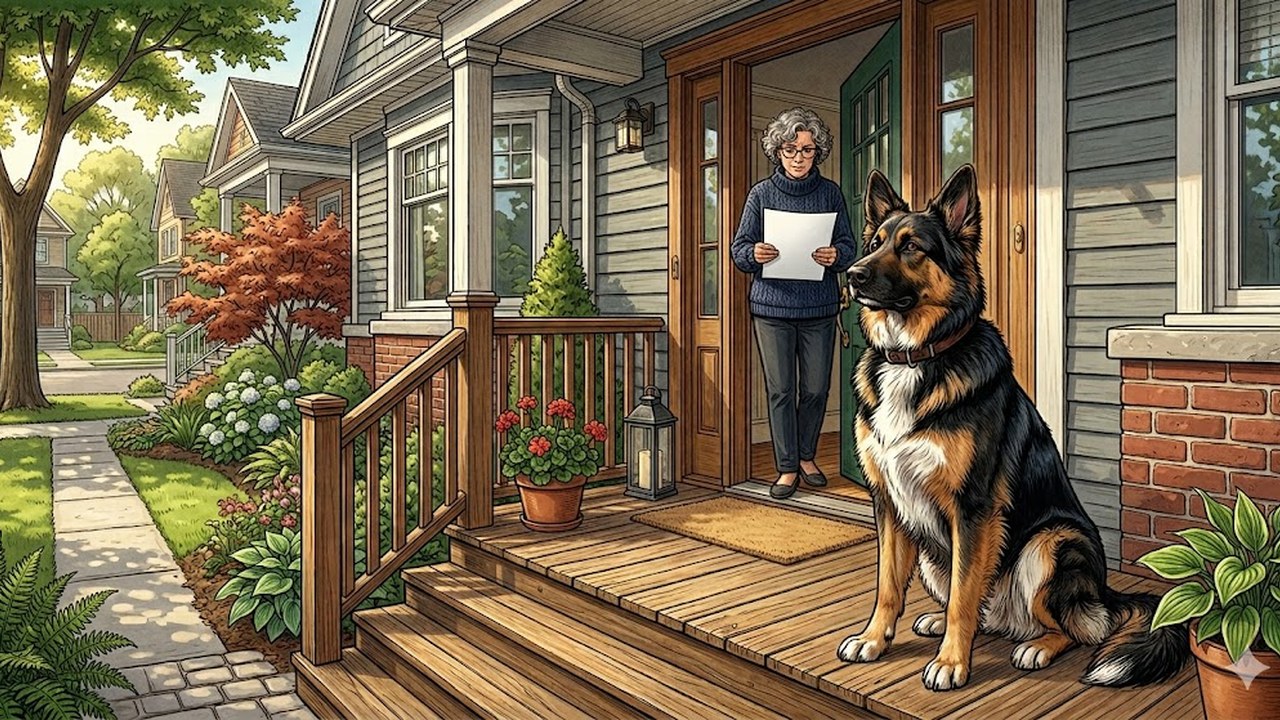
1Your Dog Could Affect Your Home Insurance — Here's How
For millions of Canadian households, dogs are family. According to the Canadian Animal Health Institute, approximately 7.9 million dogs live in Canadian homes. But what many pet owners don't realize is that their dog's breed can directly impact their home insurance — from higher premiums to outright coverage exclusions.
Home insurance policies include personal liability coverage, which protects you if someone is injured on your property or by your actions — including dog bites. Because certain breeds are statistically associated with more severe bite incidents, insurers assess dog ownership as part of their risk evaluation.
This doesn't mean owning a large-breed dog makes you uninsurable. But it does mean you need to understand how breed restrictions work, what your disclosure obligations are, and what options exist if your preferred insurer flags your pet.
2Which Dog Breeds Face Insurance Restrictions in Canada?
There is no universal "banned breeds" list in Canada's insurance industry. Each insurer sets its own underwriting guidelines. However, the following breeds appear most frequently on restricted or flagged lists:
| Breed | Common Insurer Response |
|---|---|
| Pit Bull Terrier (and related types) | Declined or liability excluded |
| Rottweiler | Higher premium or liability exclusion |
| Doberman Pinscher | Higher premium or additional questions |
| German Shepherd | Usually accepted; may trigger questions |
| Akita | Higher premium or liability exclusion |
| Chow Chow | Higher premium or liability exclusion |
| Wolf Hybrid / Wolfdog | Declined or liability excluded |
| Presa Canario | Declined or liability excluded |
| Cane Corso | Higher premium or additional questions |
| Husky / Malamute | Usually accepted; may trigger questions |
Mixed Breeds and "Looks Like" Policies
If your dog is a mixed breed that includes one of the restricted breeds, you may still face scrutiny. Some insurers assess based on the dominant breed characteristics, while others ask specifically about breed mix. A DNA test from a veterinarian can sometimes help clarify your dog's breed composition, though insurers aren't obligated to accept genetic testing results over visual assessment.
Why Breeds — Not Individual Dogs — Are Assessed
Insurers use breed as a proxy for risk because they lack data on individual dog behaviour. A well-trained Rottweiler may pose no danger, but actuarial data shows that bites from larger, more powerful breeds tend to result in more severe injuries and higher claim costs. The Canadian Veterinary Medical Association has noted that breed-specific policies are controversial, as factors like training, socialization, and owner responsibility play a significant role in bite incidents.
3Ontario's Pit Bull Ban and Its Insurance Implications
Ontario stands alone among Canadian provinces in having enacted a breed-specific ban. The province's Dog Owners' Liability Act (DOLA), amended in 2005, made it illegal to own, breed, transfer, import, or abandon pit bulls in Ontario.
What the Ban Covers
The legislation defines "pit bull" broadly to include:
- American Pit Bull Terrier
- American Staffordshire Terrier
- Staffordshire Bull Terrier
- Any dog with an appearance and physical characteristics substantially similar to the above
Grandfathered Dogs
Pit bulls that were legally owned before the ban took effect were allowed to remain with their owners under strict conditions: mandatory muzzling and leashing in public, spaying or neutering, and proof of liability insurance or a surety bond.
Repeal Efforts
The Ontario government introduced the Safer Streets, Stronger Communities Act in 2024, which includes provisions to repeal the breed-specific sections of DOLA. If passed, this would replace the breed ban with stronger owner accountability measures, including tougher penalties for irresponsible owners whose dogs cause injury. The repeal process is still working through legislative stages.
Insurance Impact in Ontario
Because owning a pit bull in Ontario is currently restricted by law, insurers in the province typically won't cover liability for pit bull ownership. If the ban is repealed, expect insurers to update their underwriting guidelines — though individual companies may continue to restrict or surcharge these breeds based on their own claims data.
4How Dog Bite Liability Works Under Home Insurance
Your home insurance policy's personal liability section is what protects you financially if your dog bites someone. Here's how it works in practice:
What Liability Coverage Pays For
- Medical expenses for the bite victim (hospital, surgery, rehabilitation)
- Legal defence costs if the victim sues you
- Settlement or judgment amounts awarded by a court
- Pain and suffering damages
How Much Coverage Do You Have?
Standard home insurance policies in Canada include $1 million to $2 million in personal liability coverage. For dog owners — especially those with larger breeds — many insurance professionals recommend carrying at least $2 million in liability. An umbrella policy can provide additional coverage beyond your base policy limits.
Dog Bite Statistics in Canada
Dog bites are more common than most people think:
- The Canadian Hospitals Injury Reporting and Prevention Program (CHIRPP) records thousands of dog bite injuries annually in emergency departments
- Children under 10 are the most frequently bitten demographic
- Dog bite claims are among the most expensive liability claims in home insurance, with severe cases resulting in settlements exceeding $100,000
- In some provinces, dog owners are subject to strict liability — meaning you're responsible for bite injuries regardless of whether your dog has bitten before
Strict Liability vs. One-Bite Rule
The legal framework varies by province:
| Province | Liability Standard | What It Means |
|---|---|---|
| Ontario | Strict liability | Owner is liable regardless of the dog's history |
| Quebec | Strict liability (Civil Code) | Owner is presumed liable for animal-caused damage |
| British Columbia | Scienter / strict liability | Owner is liable if they knew or should have known the dog was dangerous |
| Alberta | Strict liability (municipal bylaws) | Many municipalities impose strict liability through bylaws |
In provinces with strict liability, you're legally responsible for damages even if your dog has never shown aggression before. This makes adequate liability coverage especially important.
6Your Disclosure Obligations as a Dog Owner
Transparency with your insurer isn't optional — it's a legal and contractual obligation that protects you.
What You Must Disclose
- That you own a dog (most applications ask this directly)
- Your dog's breed (including breed mix for crossbreeds)
- Any bite history — whether your dog has bitten or shown aggression toward a person or another animal
- Getting a new dog — if you acquire a dog mid-policy, notify your insurer
What Happens If You Don't Disclose
Failing to disclose your dog — or misrepresenting the breed — constitutes material misrepresentation on your insurance application. The consequences can be severe:
- Claim denial: If your undisclosed dog bites someone and you file a liability claim, the insurer can deny the claim on the basis that you misrepresented your risk profile.
- Policy cancellation: The insurer can cancel your policy retroactively if they discover the misrepresentation, potentially leaving you without coverage for other claims as well.
- Difficulty obtaining future coverage: A policy cancellation for misrepresentation goes on your insurance record and makes it harder to obtain coverage from other insurers.
The short version: always disclose your pets honestly. The risk of not disclosing far outweighs any premium savings.
7What to Do If You're Declined Coverage Because of Your Dog
Being declined or facing restrictions doesn't mean you're without options. Here's a step-by-step approach:
1. Shop Around
Different insurers have different breed policies. A breed that's declined by one company may be accepted — with a surcharge — by another. Work with an independent insurance broker who can compare policies from multiple carriers on your behalf.
2. Ask About Liability-Only Exclusions
Some insurers will provide full home insurance but exclude liability specifically for your dog. While this isn't ideal, it means you retain property and other liability coverage. You can then seek a separate pet liability policy or umbrella policy to fill the gap.
3. Consider a Canine Good Citizen Certificate
Some insurers may accept dogs that have completed a recognized obedience or temperament certification program. In Canada, the Canadian Kennel Club offers a Canine Good Neighbour (CGN) certification that demonstrates your dog has been evaluated for good temperament and behaviour in public settings.
4. Increase Your Deductible
Offering to accept a higher deductible on liability claims can sometimes persuade an insurer to accept a borderline breed. This demonstrates that you're willing to share the risk.
5. Check Specialty Insurers
Some insurers specialize in non-standard or higher-risk home insurance and are more willing to cover restricted breeds. Your broker can identify these options.
6. Facility Association (Last Resort)
If you've been declined by multiple insurers, every province has a Facility Association or residual market that provides basic coverage to those who can't obtain it through the standard market. Coverage through the Facility Association is typically more expensive and more limited, but it ensures you're not left without insurance entirely.
8Responsible Dog Ownership: Reducing Your Insurance Risk
Regardless of breed, these practices reduce your liability risk and strengthen your standing with insurers:
- Professional training: Invest in obedience training from a certified trainer, especially for large or strong breeds. Keep proof of training completion.
- Socialization: Expose your dog to diverse environments, people, and other animals from a young age to build confidence and reduce reactive behaviour.
- Secure fencing: Maintain a properly enclosed yard that prevents your dog from escaping. A 6-foot fence is recommended for larger breeds.
- Supervision: Never leave your dog unsupervised with children or unfamiliar visitors.
- Leashing: Follow municipal leash bylaws at all times. Off-leash incidents are a leading cause of bite claims.
- Veterinary care: Keep your dog up to date on vaccinations and regular health checkups. A dog in pain from an undiagnosed condition is more likely to bite.
- Warning signs: Install "Dog on Premises" signage if required by your municipality. This can also serve as a legal defence in some trespasser liability scenarios.
Documenting your dog's training, veterinary history, and good behaviour can also help when negotiating with insurers or if a liability situation arises.
9Final Thoughts: Don't Let Breed Restrictions Catch You Off Guard
Your dog is part of your family — but in the eyes of your home insurance company, your dog is also part of your risk profile. Understanding how breed restrictions work in Canada helps you avoid surprises at the worst possible time.
Here's what every Canadian dog owner should do:
- Disclose your dog honestly on every insurance application and at renewal
- Understand your liability coverage and make sure it's adequate — at least $2 million is recommended
- Shop around if your breed faces restrictions — policies vary significantly between insurers
- Invest in training and responsible ownership to reduce both real-world risk and insurance risk
- Review your policy annually to ensure coverage keeps pace with your household changes
Being proactive about your dog and your insurance means you're prepared for the unexpected — instead of scrambling to find coverage after an incident.
Frequently Asked Questions
Yes. While it isn't common for insurers to outright deny an entire home insurance policy solely because of a dog breed, some insurers may exclude liability coverage for certain breeds, charge higher premiums, or in some cases decline to offer coverage. Each insurer has its own underwriting guidelines, so shopping around is important.
The most commonly flagged breeds include Pit Bull Terriers (American Pit Bull Terrier, American Staffordshire Terrier, Staffordshire Bull Terrier), Rottweilers, Doberman Pinschers, German Shepherds, Akitas, Chow Chows, Wolf Hybrids, Presa Canarios, and Cane Corsos. Mixed breeds that include these breeds may also be affected.
Yes. Most home insurance applications ask whether you own pets and may ask about specific breeds. Failing to disclose your dog — especially a restricted breed — could be considered material misrepresentation. If your insurer discovers the omission after a claim, they could deny the claim or void your policy entirely.
Ontario's Dog Owners' Liability Act (DOLA) banned pit bulls in 2005, making it illegal to own, breed, transfer, or import pit bulls in the province. Existing pit bull owners at the time were grandfathered in under strict conditions including mandatory muzzling and leashing in public. However, as of 2024, the Ontario government has introduced legislation to repeal the breed-specific provisions, though the repeal process is ongoing.
Premium increases vary by insurer, but dog owners with restricted breeds can expect to pay 5% to 15% more for home insurance in Canada. Some insurers may add a specific liability surcharge or require a higher liability limit. In more severe cases, the insurer may exclude dog bite liability entirely, leaving you to seek coverage elsewhere.
Dog owner looking for transparent home insurance? Get a quote that accounts for your full household — pets included.
Get Your Quote