

1The Nightmare Scenario Every Renter Should Prepare For
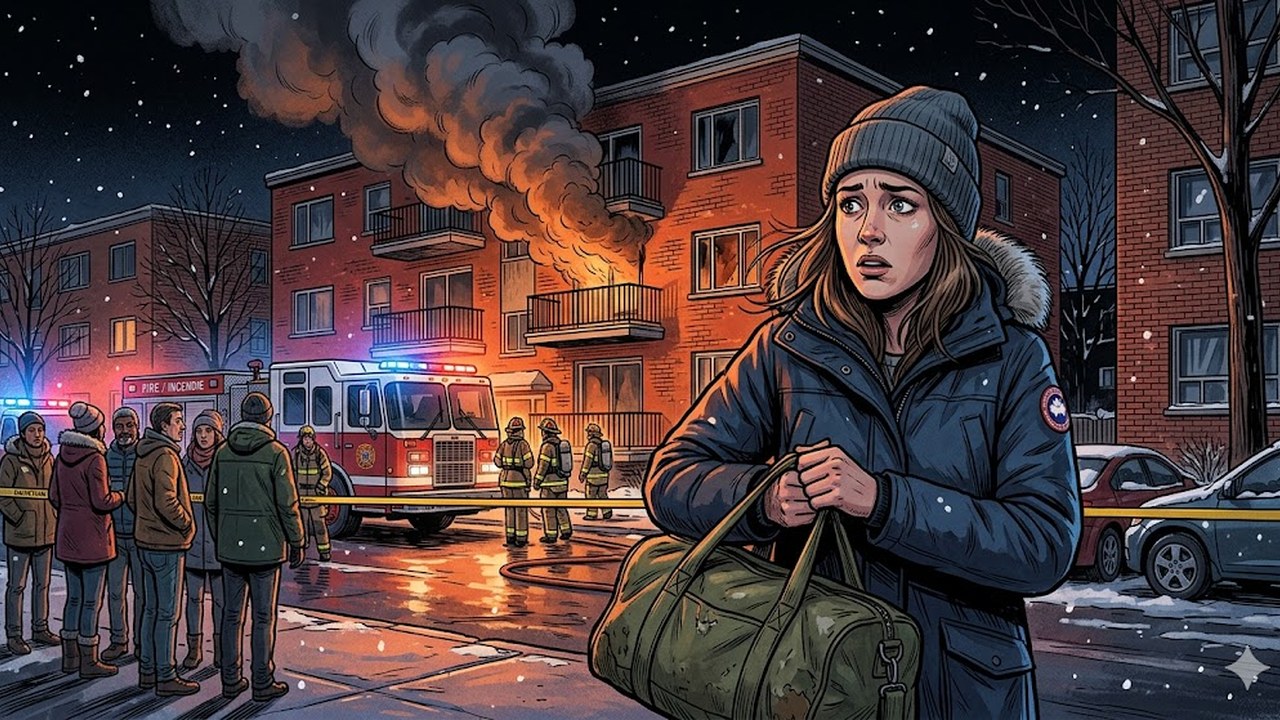
Imagine coming home to find fire trucks outside your building, smoke pouring from the windows, and police tape blocking the entrance. Everything you own — your furniture, your electronics, your clothes, irreplaceable photos — is inside. And you can't get to any of it.
This isn't a movie scene. Apartment fires happen across Canada every single day. According to Canadian fire statistics, residential fires account for the majority of fire-related property damage each year. For renters, the aftermath can be financially devastating — especially without the right preparation.
The question isn't just what happens during a fire. It's what happens after: Who pays for the damage? Where do you live? What are your rights? And how does tenant insurance fire coverage change the equation?
This guide walks you through every step — from the moment the fire breaks out to rebuilding your life afterward. If you're a renter in Canada, this is information you need before disaster strikes.
2Immediate Steps After an Apartment Fire
When an apartment fire happens, the first hours and days are critical. Here's exactly what you should do:
1. Ensure Your Safety
Get out of the building immediately if you haven't already. Do not attempt to save belongings — your life is more valuable than any possession. Call 911 if emergency services have not been contacted. Once outside, move to a safe distance and account for everyone in your household.
2. Do Not Re-enter the Building
Even after the flames are out, a fire-damaged building is dangerous. Structural weaknesses, toxic fumes, and residual heat can cause serious injury. Wait for the fire department to officially clear the building before attempting to enter for any reason.
3. Contact Your Landlord or Property Manager
Notify your landlord as soon as possible. They need to know about the damage, coordinate with their own insurer, and arrange for building inspections. Get this communication in writing — an email or text message creates a record you may need later.
4. Call Your Tenant Insurance Provider
If you have tenant insurance, call your insurer immediately to open a claim. Most insurers have 24/7 claims hotlines. They can authorize emergency living expenses right away, so you don't have to pay out of pocket for your first few nights in a hotel.
5. Document Everything
Once it's safe to do so:
- Photograph all visible damage to your unit and belongings
- Keep every receipt for emergency expenses — meals, accommodation, clothing, toiletries
- Write down what happened while the details are fresh in your memory
- Request a copy of the fire department's incident report
6. Seek Immediate Assistance
The Canadian Red Cross and local emergency services often provide immediate assistance to fire victims, including temporary shelter, clothing, and food. Your municipality may also have emergency housing programs available.
3Who Is Responsible? Landlord vs. Tenant
One of the most confusing questions after an apartment fire is: who pays for what? The answer depends on what was damaged and who caused the fire.
The Landlord's Responsibility
Your landlord is responsible for:
- The building structure — walls, floors, ceilings, roof, and fixed installations
- Common areas — hallways, lobbies, stairwells, and shared facilities
- Appliances and fixtures they own — built-in stove, furnace, water heater (if provided)
- Making the unit habitable again — or terminating the lease if repairs aren't possible
The landlord's property insurance covers these items. Their policy does not cover your personal belongings or your living expenses during displacement.
The Tenant's Responsibility
As a tenant, you are responsible for:
- Your personal belongings — everything you brought into the unit
- Your temporary living costs — if you need to relocate during repairs
- Liability if you caused the fire — if your negligence started the fire (unattended cooking, improper use of space heaters, smoking indoors), you can be held financially responsible for damage to the building and other units
This is exactly why tenant insurance is essential — it covers all three of these areas.
4What Tenant Insurance Covers in an Apartment Fire
If you have tenant insurance fire coverage, here's exactly how your policy protects you:
Personal Property Coverage
Your policy reimburses you for belongings destroyed or damaged in the fire, up to your coverage limit. This includes:
- Furniture — beds, couches, tables, desks
- Electronics — laptops, TVs, phones, gaming consoles
- Clothing and shoes
- Kitchen appliances, cookware, and dishes
- Books, sporting goods, musical instruments
- Linens, towels, and bedding
Most policies offer either actual cash value (depreciated value) or replacement cost coverage. Replacement cost policies pay what it costs to buy new items of similar quality — this is always the better option.
Additional Living Expenses (ALE)
If your unit is uninhabitable after the fire, ALE covers the difference between your normal living costs and what you're spending on temporary arrangements:
- Hotel or short-term rental costs
- Meals above your normal food budget
- Laundry costs
- Storage for any salvageable belongings
- Additional commuting expenses if your temporary housing is farther from work
ALE coverage typically applies for the duration of repairs or until you find a new permanent home — often up to 12 months.
Liability Protection
This is the coverage many renters overlook — and it may be the most valuable. If you accidentally caused the fire (a grease fire from cooking, a candle left burning, a space heater placed too close to curtains), your liability coverage protects you against:
- Damage claims from the landlord for building repairs
- Claims from other tenants whose units were damaged
- Legal defence costs if you're sued
Standard tenant insurance includes $1 million to $2 million in liability coverage. Without it, a single negligence claim could wipe out your savings and follow you for years.
5What Happens If You Don't Have Tenant Insurance
Let's be blunt: if your apartment burns down and you don't have tenant insurance, the financial consequences can be severe. Here's a realistic cost breakdown:
| Expense | Estimated Cost Without Insurance |
|---|---|
| Replacing furniture (bed, couch, table, desk, chairs) | $4,000 – $10,000 |
| Replacing electronics (laptop, TV, phone, peripherals) | $3,000 – $7,000 |
| Replacing clothing and shoes | $2,000 – $5,000 |
| Replacing kitchen items (appliances, cookware, dishes) | $1,000 – $3,000 |
| Temporary housing (hotel/Airbnb for 1–3 months) | $3,000 – $9,000 |
| Emergency supplies (toiletries, first-night essentials) | $200 – $500 |
| Security deposit and first/last month on new rental | $2,000 – $5,000 |
Total out-of-pocket: $15,000 – $40,000+ just to get back on your feet.
And that's only if you didn't cause the fire. If the fire was your fault, add potential liability for:
- Building damage repairs: $50,000 – $500,000+
- Damage to other tenants' units and belongings: $10,000 – $100,000+
- Legal fees if lawsuits are filed: $5,000 – $50,000+
Compare that to the cost of tenant insurance: $15 to $40 per month. For detailed pricing information, see our complete guide on tenant insurance costs and coverage in Canada.
The math isn't even close. A year of tenant insurance costs less than replacing a single piece of furniture.
6Your Rights as a Tenant After a Fire
Canadian tenancy laws provide important protections for renters after an apartment fire. While specific rules vary by province, here are the general principles:
If the Unit Is Destroyed
If the fire makes your unit completely uninhabitable and repairs aren't feasible, the lease is typically considered "frustrated" — meaning it ends automatically. In this case:
- You stop paying rent immediately
- The landlord must return your last month's rent deposit (if applicable)
- You're free to find a new rental without penalty for breaking the lease
If the Unit Is Repairable
If the damage can be repaired and the landlord intends to restore the unit:
- You may be entitled to a rent abatement (reduction) proportional to the loss of use during repairs
- The landlord cannot charge rent for a unit that isn't livable
- You may have the right to return to the unit once repairs are complete, depending on your province
- The landlord must complete repairs within a reasonable timeframe
Eviction Protections
A landlord generally cannot evict you simply because a fire occurred — unless you deliberately caused it. Negligence-caused fires (like a cooking accident) typically do not justify eviction on their own, though the landlord may have grounds if it constitutes a pattern of dangerous behaviour.
Insurance Cooperation
Your landlord's insurer and your tenant insurer may both investigate the fire. You are generally required to cooperate with investigations, provide a statement of loss, and allow inspections of the damaged unit. Having your own insurance means you have an advocate — your insurer — working on your behalf during this process.
7How to Prepare Before a Fire Happens
The best time to prepare for an apartment fire is right now — before anything happens. Here's your preparation checklist:
1. Get Tenant Insurance
This is the single most important step. A tenant insurance policy costing $15–$40/month covers your belongings, your liability, and your living expenses if you're displaced. There is no financial product that offers more protection per dollar for renters.
2. Create a Home Inventory
Walk through your apartment and document everything you own:
- Take photos or video of every room, including inside closets and drawers
- Record serial numbers for electronics
- Keep receipts for major purchases
- Store your inventory in the cloud (Google Drive, iCloud, Dropbox) — not just on your phone, which could be lost in the fire
A home inventory makes the insurance claims process dramatically faster and ensures you don't forget items when filing.
3. Know Your Escape Routes
- Identify at least two exits from your unit and from the building
- Know where the fire extinguishers and pull stations are on your floor
- Practice your escape plan — especially if you have children or pets
- Agree on a meeting point outside the building
4. Install and Test Smoke Alarms
While your landlord is legally required to provide working smoke alarms, test them monthly and replace batteries as needed. If your unit doesn't have working smoke alarms, notify your landlord in writing immediately and follow up until they're installed.
5. Keep Important Documents Safe
Store copies of critical documents outside your apartment:
- Lease agreement
- Insurance policy documents
- Identification (passport, driver's licence)
- Banking and financial information
Cloud storage or a safety deposit box ensures these survive even if your unit doesn't.
6. Build an Emergency Kit
Keep a small bag near your exit with essentials: phone charger, medications, a change of clothes, copies of ID, and a small amount of cash. If you need to leave in a hurry, you'll have the basics covered.
8Final Thoughts
An apartment fire is one of the most disruptive events a renter can experience. In a matter of hours, you can lose your belongings, your home, and your sense of security. The financial impact without insurance can take years to recover from.
But here's the good news: preparation makes all the difference. With tenant insurance fire coverage, a home inventory, and a basic emergency plan, you transform a potential catastrophe into a manageable situation. Your belongings get replaced. Your temporary housing gets covered. And if you accidentally caused the fire, your liability coverage protects you from financial ruin.
Tenant insurance isn't something you buy because you expect a fire. It's something you buy because you understand what happens when you don't have it.
Don't wait for the smoke alarm to go off. Protect yourself today — it takes less than two minutes and costs less than your morning coffee.
Frequently Asked Questions
It depends on the cause. If the fire started due to your negligence — such as leaving a stove unattended or misusing electrical equipment — you can be held liable for damage to the building and neighbouring units. Your tenant insurance liability coverage would help pay for these costs. If the fire was caused by a building deficiency (faulty wiring, for example), the landlord's insurance typically covers the structural damage.
Yes. A standard tenant insurance policy covers fire as a named peril. This means your personal belongings destroyed in the fire are covered up to your policy limit, your additional living expenses (hotel, meals, temporary rent) are covered while your unit is uninhabitable, and your liability coverage protects you if you accidentally caused the fire and damaged other units or common areas.
In most Canadian provinces, if the unit is completely destroyed or rendered uninhabitable, the lease is considered frustrated and your obligation to pay rent ends. If only part of the unit is damaged and repairs are possible, you may be entitled to a rent reduction during the repair period. Check your provincial tenancy legislation for specific rules.
First, ensure everyone is safe and call 911 if you haven't already. Do not re-enter the building until the fire department clears it. Contact your landlord or property manager to report the damage. Then call your tenant insurance provider to start a claim as soon as possible. Document everything with photos and keep receipts for any emergency expenses such as hotel stays and meals.
Without tenant insurance, you bear the full financial burden. You'll need to replace all your belongings out of pocket — furniture, electronics, clothing, and more. You'll also need to pay for temporary housing yourself, which could cost thousands of dollars. If the fire was your fault, you could face a lawsuit from the landlord or other tenants for the damage, with no liability coverage to protect you. The total cost can easily exceed $50,000.
Protect yourself before disaster strikes. Tenant insurance starts from $10/month — get your quote in 90 seconds.
Get Your Quote