

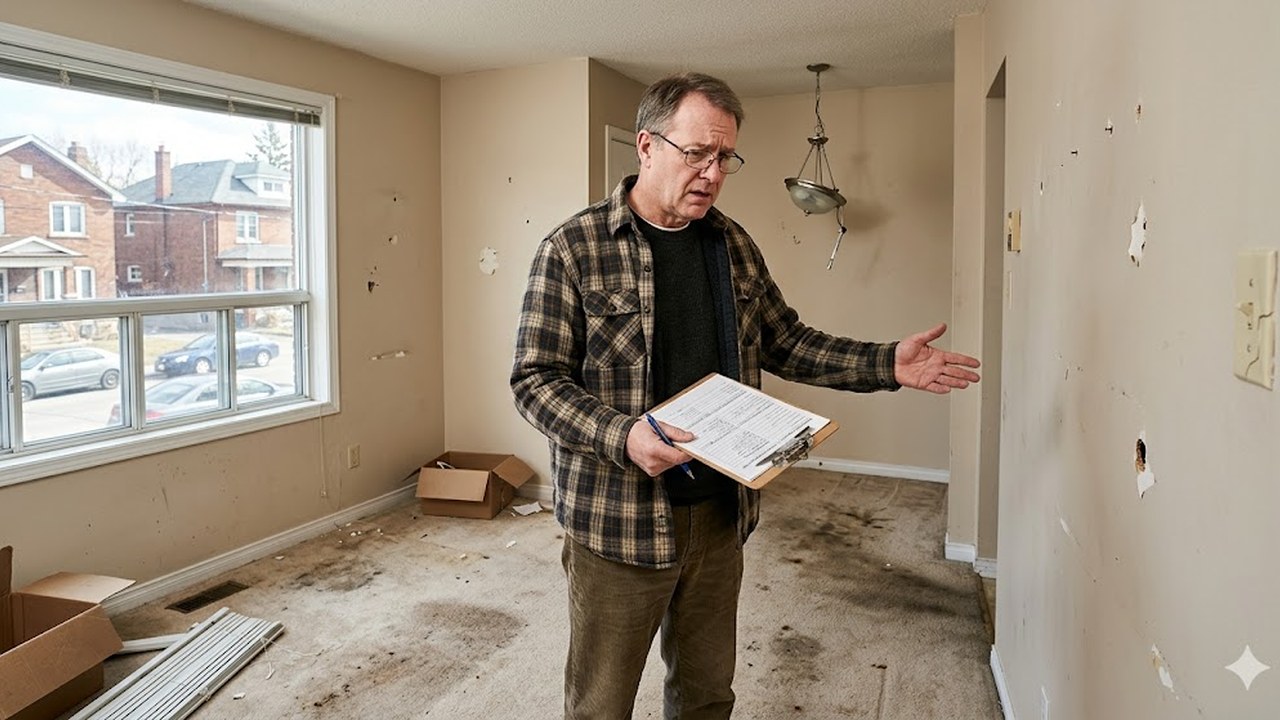
1Tenant Damage: The #1 Concern for Canadian Landlords
If you own a rental property in Canada, there's one question that keeps you up at night more than any other: "What happens if my tenant damages the property?"
It's the most common concern among Canadian landlords — and for good reason. A single destructive tenancy can cost thousands or even tens of thousands of dollars in repairs. Broken appliances, holes in walls, stained carpets, damaged flooring, and neglected maintenance can quickly erode your investment.
The natural assumption is that your landlord insurance will cover the bill. But does it? The answer is more nuanced than most property owners realize.
In this comprehensive guide, we'll break down exactly when your landlord insurance covers tenant damage, when it doesn't, and the specific steps you can take to protect your rental property and your financial investment.
2What Landlord Insurance Typically Covers
Before we dive into tenant damage specifically, it's important to understand what a standard landlord insurance policy in Canada actually includes. Landlord insurance (sometimes called rental property insurance) is fundamentally different from a standard homeowner's policy. If you're unsure about the differences, our guide on landlord insurance vs. home insurance explains them in detail.
A typical landlord insurance policy provides three core protections:
1. Property Damage Coverage
This covers the physical structure of your rental property — the building itself, permanent fixtures, and any appliances you provide — against covered perils. Standard covered perils include:
- Fire and smoke damage
- Windstorm and hail
- Water damage from burst pipes or appliance failure
- Vandalism and theft
- Lightning strikes
- Falling objects (e.g., a tree branch crashing through the roof)
2. Liability Coverage
If a tenant, their guest, or any visitor is injured on your property and you're found legally responsible, liability coverage pays for legal fees, medical expenses, and any settlement or court judgment. Most landlord policies include $1 million to $2 million in liability protection.
3. Loss of Rental Income
If your property becomes uninhabitable due to a covered peril — for example, a fire makes the unit unlivable for three months — loss of rental income coverage reimburses you for the rent you would have collected during the repair period. This is a critical protection that many landlords undervalue until they need it.
3What Counts as "Tenant Damage"?
Not all damage caused by tenants is treated the same way by insurance companies. Understanding the distinctions is critical because your coverage — or lack of it — depends entirely on how the damage is classified.
Tenant damage falls into three categories:
Accidental Damage
Damage that occurs unintentionally as a result of an accident. Examples include a tenant accidentally knocking over a candle that starts a small fire, a washing machine hose bursting unexpectedly, or a child accidentally breaking a window while playing.
Intentional (Deliberate) Damage
Damage that a tenant causes on purpose — punching holes in walls, ripping out fixtures, smashing countertops, or deliberately flooding the unit. This also includes damage caused during illegal activity on the premises.
Negligent Damage
Damage resulting from a tenant's failure to take reasonable care of the property. Examples include ignoring a slow leak until it causes major water damage, failing to report a pest infestation until it spreads, leaving windows open during a rainstorm that damages floors, or allowing mould to develop by not ventilating the bathroom.
Your landlord insurance treats each of these categories very differently — and the distinction determines whether you'll receive a payout or not.
4When Landlord Insurance DOES Cover Tenant Damage
The good news: your landlord insurance does cover certain types of tenant damage — specifically, damage that results from a covered peril, even if a tenant's actions were the trigger.
Here are the most common scenarios where your rental property damage coverage will pay out:
Accidental Fire
A tenant leaves a stove unattended and a kitchen fire breaks out, damaging the cabinets, countertops, and walls. Because fire is a covered peril on virtually every landlord policy, your insurance will cover the cost of repairs to the building and fixtures — even though the tenant's actions caused the fire.
Water Damage from Appliance Failure
A dishwasher or washing machine you provided malfunctions and floods the unit, damaging flooring and drywall. This is covered under standard property damage provisions because the cause is an accidental appliance failure — a named peril.
Burst Pipes
During a cold snap, pipes freeze and burst, causing water damage throughout the unit. Your landlord insurance covers the repair costs. However, if the tenant turned off the heat and left the property unoccupied in winter (contributing to the freeze), the situation may become more complicated.
Smoke Damage
Even if a fire is contained quickly, smoke damage to walls, ceilings, and fabrics can be extensive. Your policy covers the cost of cleaning, repainting, and replacing smoke-damaged materials when fire or smoke is the underlying peril.
Vandalism by Third Parties
If someone breaks into the rental unit and damages the property, your landlord insurance covers the repairs under the vandalism and theft peril — as long as the property was not left unsecured for an extended period.
The key principle: if the damage results from an insured peril, your landlord insurance generally covers it regardless of whether a tenant's accidental actions were involved.
5When Landlord Insurance Does NOT Cover Tenant Damage
This is where many landlords face an unpleasant surprise. Your landlord insurance has specific exclusions when it comes to tenant damage, and understanding them can save you from assuming you're protected when you're not.
Intentional Damage by the Tenant
If a tenant deliberately damages your property — destroying walls, breaking fixtures, ripping out wiring, or vandalizing the unit before moving out — your landlord insurance will not cover the repairs. Insurers exclude intentional acts because they are not accidental events; they are criminal behaviour. You would need to pursue the tenant directly for compensation.
Damage from Tenant Negligence
Many landlord policies also exclude damage caused by a tenant's negligence. If a tenant ignores a known plumbing leak for weeks and the resulting water damage destroys the bathroom floor, your insurer may deny the claim on the grounds that the damage was preventable and resulted from the tenant's failure to act responsibly. The line between "accidental" and "negligent" can be blurry, and insurers will investigate carefully.
Normal Wear and Tear
Gradual deterioration from everyday use is never covered by insurance — not by your landlord policy and not by the tenant's renter's insurance either. This includes:
- Fading paint and minor wall scuffs
- Carpet wear in high-traffic areas
- Minor scratches on hardwood floors
- Aging appliances that need replacement
- Worn weatherstripping and caulking
Wear and tear is a cost of doing business as a landlord. Budget for it as a regular maintenance expense.
Pet Damage
Damage caused by a tenant's pets — scratched floors, chewed baseboards, stained carpets from accidents, or odour that requires professional remediation — is typically excluded from landlord insurance. If you allow pets, consider charging a pet deposit (where legally permitted) or requiring higher liability coverage on the tenant's renter's insurance.
Damage During Illegal Activity
If a tenant is running illegal operations from the property (such as a drug lab) and the property is damaged as a result, your insurer will likely deny the claim. Some policies have specific exclusions for damage connected to illegal activity.
6How to Recover Costs from Tenants
When your landlord insurance doesn't cover the damage, you're not necessarily stuck paying out of pocket. Here are the options available to Canadian landlords:
1. Security Deposit / Damage Deposit
In provinces that permit damage deposits (rules vary — for example, British Columbia allows half a month's rent, while Ontario does not allow last month's rent to be used for damage), you can deduct the cost of repairs that go beyond normal wear and tear. Always document the condition of the property at move-in and move-out with detailed photos and a written checklist.
2. The Tenant's Renter's Insurance
If your tenant carries renter's insurance with liability coverage, you may be able to file a claim against their policy for damage they caused. This is one of the strongest reasons to require tenants to carry renter's insurance — it provides a direct path to compensation without going to court.
3. Small Claims Court
If the tenant doesn't have insurance and the damage exceeds the security deposit, you can pursue them in small claims court. In most Canadian provinces, small claims court handles disputes up to $25,000–$35,000. You'll need documentation: photos, repair invoices, the lease agreement, and the move-in/move-out inspection reports.
4. Provincial Landlord-Tenant Board
Each province has a landlord-tenant dispute resolution body (such as Ontario's Landlord and Tenant Board or BC's Residential Tenancy Branch). You can file an application seeking compensation for damages. These tribunals are generally faster and less expensive than court.
5. Subrogation by Your Insurer
If your landlord insurance does pay out for a covered claim, your insurer may pursue the tenant through subrogation — essentially recovering the money they paid you from the person who caused the damage. This happens automatically in many cases, though it's more common with larger claims.
7How to Protect Yourself as a Landlord
The best strategy for dealing with tenant damage is preventing it in the first place — or at minimum, ensuring you have every avenue of recovery available. Here are the most effective landlord protection strategies used by experienced Canadian property investors:
1. Require Tenant Insurance
This is the single most impactful step you can take. Include a lease clause requiring tenants to carry renter's insurance with a minimum of $1 million in liability coverage and to name you as an "interested party" (so you're notified if the policy is cancelled). If your tenant accidentally causes damage, their liability coverage pays for repairs to your property — not your landlord policy. Learn more about why this matters in our guide on why tenant insurance is essential.
2. Screen Tenants Thoroughly
A solid screening process is your first line of defence. Check credit reports, verify employment and income, contact previous landlords for references, and look for any history of evictions or disputes. Tenants with stable income and positive rental histories are far less likely to cause damage or default on repairs.
3. Conduct Documented Move-In and Move-Out Inspections
Before the tenant moves in, walk through the property together and document its condition with detailed photos and a written checklist that both parties sign. Repeat the process at move-out. This documentation is essential for proving that damage occurred during the tenancy — without it, disputes become a matter of "your word vs. theirs."
4. Schedule Regular Property Inspections
Most provinces allow landlords to inspect the property with 24 hours' written notice. Schedule inspections every 3–6 months. Regular inspections help you catch small issues before they become major problems — a minor leak can be fixed for $200, but if left unaddressed it can cause $10,000 in water damage.
5. Maintain a Property Inventory
Keep a written and photographic inventory of all fixtures, appliances, and finishes you provide with the rental unit. Include make, model, age, and condition. This inventory simplifies the claims process if you need to file an insurance claim and provides clear evidence in any dispute with a tenant.
6. Include Clear Lease Terms
Your lease should explicitly outline the tenant's responsibility to maintain the property, report maintenance issues promptly, and avoid causing damage beyond normal wear and tear. Clearly state the consequences for unreported damage and the process for deducting repair costs from the security deposit.
7. Review Your Landlord Insurance Annually
Insurance needs change as your property ages, as you add units, or as market conditions shift. Review your landlord insurance policy annually with your broker to ensure your coverage limits, deductibles, and endorsements are still adequate. Ask specifically about tenant damage insurance options and any available endorsements for malicious damage.
See also: Condo Insurance for Landlords in Canada: A Complete Guide.
8Final Thoughts
Landlord insurance is an essential protection for any rental property owner — but it's not a blanket shield against all forms of tenant damage. It covers damage from accidental events and insured perils. It does not cover intentional destruction, negligence, or normal wear and tear.
The landlords who fare best are the ones who take a layered approach to landlord protection: comprehensive insurance as the foundation, required tenant insurance as a secondary safety net, thorough screening to minimize risk, and disciplined documentation to support any claim or dispute.
Don't wait until you're facing a $15,000 repair bill to review your coverage. Take the time now to understand your policy, address any gaps, and put the right protections in place.
Your rental property is an investment. Protect it like one.
Frequently Asked Questions
No. Landlord insurance in Canada does not cover intentional or deliberate damage caused by tenants. Intentional acts such as punching holes in walls, breaking fixtures, or vandalizing the property are excluded from standard landlord policies. To recover these costs, you would need to pursue the tenant directly through their security deposit, small claims court, or the tenant's own liability insurance if they carry a renter's policy.
Normal wear and tear includes gradual deterioration from everyday use — faded paint, minor scuff marks on floors, worn carpet in high-traffic areas, or small nail holes from hanging pictures. Tenant damage, on the other hand, involves harm beyond what's expected from normal living — large holes in walls, broken windows, stained or burned carpets, damaged appliances, or broken doors. Landlords cannot deduct security deposits for normal wear and tear, but they can for damage that goes beyond reasonable use.
Yes. In most Canadian provinces, landlords can include a clause in the lease agreement requiring tenants to carry renter's insurance with a minimum liability coverage amount (typically $1 million to $2 million). This is legal and increasingly common. If a tenant causes accidental damage, their renter's insurance liability coverage may pay for repairs to your property, reducing your out-of-pocket costs and protecting your insurance claims history.
It depends on the circumstances. If water damage results from an accidental event — such as a pipe bursting or an appliance malfunctioning — your landlord insurance will typically cover the repairs. However, if the damage results from the tenant's negligence — such as leaving a bathtub running for hours or ignoring a known leak — your insurer may deny the claim or attempt to recover costs from the tenant through subrogation.
The most effective strategies include: requiring tenants to carry renter's insurance with adequate liability coverage, conducting thorough tenant screening before signing a lease, performing documented move-in and move-out inspections with photos, scheduling regular property inspections (with proper notice as required by provincial law), maintaining a written inventory of fixtures and appliances, and keeping a reasonable security deposit as permitted by your province's tenancy laws.
Get a landlord insurance quote online for a property in BC — a licensed BlueCouch broker confirms it with you.
Get Your Quote