
1The Real Cost of Filing a Home Insurance Claim
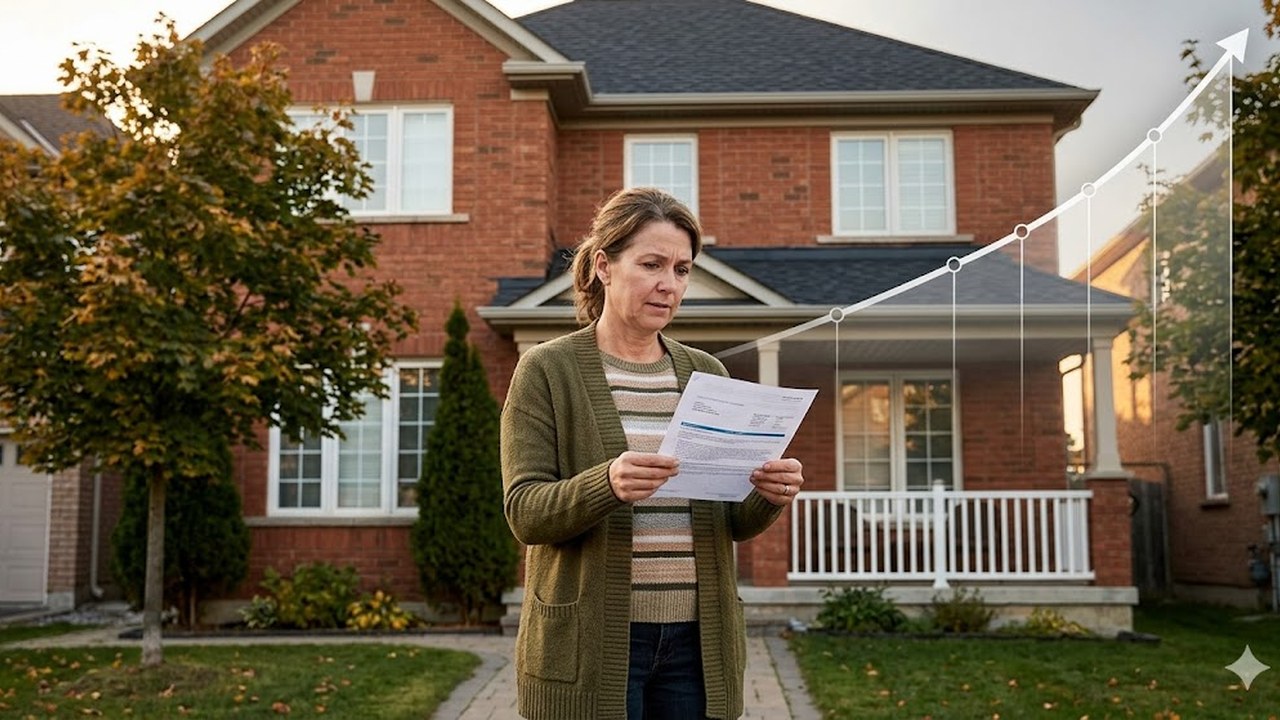
When damage strikes your home, your insurance policy is there to help cover the cost. But what many Canadian homeowners don't realize is that filing a claim comes with a hidden cost: higher premiums for years to come.
In Canada, a single home insurance claim can increase your premium by 5% to 20%, and that surcharge can last for 5 to 7 years. Depending on the size of the claim and your insurer, the cumulative cost of higher premiums can sometimes rival the payout itself — especially for smaller claims.
This guide explains exactly how much your home insurance goes up after a claim, which types of claims hit your premium hardest, how claim forgiveness works, and when it makes sense to switch insurers after a loss.
4Claim Forgiveness: How It Works in Canada
Claim forgiveness is one of the most valuable features a Canadian homeowner can have on their policy — and one of the least understood.
What Claim Forgiveness Does
Claim forgiveness protects your premium from increasing after your first at-fault claim. If you file a covered claim and you have claim forgiveness on your policy, the insurer agrees not to apply a surcharge at your next renewal.
How It's Offered
Claim forgiveness is available in two ways:
- Built-in benefit: Some insurers include claim forgiveness automatically for customers who have been claim-free for a specified period (often 5 to 10 years). There's no additional cost, but you must qualify.
- Optional endorsement: Other insurers offer claim forgiveness as a paid add-on. The cost is typically $30 to $75 per year, depending on the insurer and your coverage amount.
Important Limitations
- Claim forgiveness usually applies to your first claim only. A second claim will trigger a surcharge.
- It typically doesn't follow you to a new insurer. If you switch companies, your claims history still shows the claim — the new insurer has no obligation to honour the forgiveness.
- Some insurers only offer forgiveness for certain types of claims (e.g., they may exclude water damage or liability claims).
- Claim forgiveness prevents a premium increase but the claim itself still appears on your claims history. This matters if you shop for quotes with other insurers.
Is Claim Forgiveness Worth It?
If you're paying $1,500 per year and claim forgiveness costs $50 annually, you'll pay $250 over 5 years for the endorsement. A single claim without forgiveness could cost you $1,000 to $2,000+ in surcharges over the same period. For most homeowners, claim forgiveness pays for itself the moment you need it.
5At-Fault vs. Not-At-Fault Claims: Does It Matter?
Unlike auto insurance, home insurance in Canada does not have a formal "at-fault" system. However, the nature of the claim and the homeowner's role in the damage absolutely affect how the insurer treats it at renewal.
Claims More Likely to Increase Your Premium
- Preventable claims: A burst pipe in a poorly maintained home, roof damage from neglected shingles, or a basement flood due to a failed sump pump. The insurer views these as indicators of future risk.
- Recurring claims: Filing two water damage claims in three years is a major red flag. Even if each claim is individually legitimate, the pattern suggests an ongoing problem with the property.
- High-value claims: A $50,000 fire claim will have a bigger impact than a $3,000 theft claim, simply because the insurer paid out more.
Claims Less Likely to Increase Your Premium
- Catastrophic events: If a tornado, ice storm, or wildfire affects your region, many insurers will not surcharge individual homeowners because the loss is attributed to an extraordinary event.
- Inquiry-only claims: Some homeowners call their insurer to ask whether a type of damage is covered without actually filing a claim. However, be careful — some insurers record these inquiries, and they can appear on your claims history even if no claim was filed.
Important: Even asking about a potential claim can be recorded. If you want to understand your coverage without risking an inquiry on your record, review your policy documents directly or speak with an independent insurance broker rather than calling your insurer's claims department.
6Should You Switch Insurers After Filing a Claim?
After filing a claim, many Canadian homeowners wonder whether they should stay with their current insurer or shop around. The answer depends on several factors.
When Switching Makes Sense
- Your current insurer has applied a surcharge that seems disproportionately high compared to the claim
- Your insurer has issued a non-renewal notice
- You've received the surcharge for multiple years and want to see if a competitor will offer a better rate
- You're bundling with a new auto policy and can get a multi-product discount that offsets the claims surcharge
When Staying Makes Sense
- You have claim forgiveness with your current insurer that won't transfer
- You have a loyalty discount or claims-free discount that would be lost
- Your current insurer's surcharge is modest (5% or less) and the hassle of switching isn't worth it
How to Shop Effectively After a Claim
- Get quotes from at least 3-5 insurers. Use an independent broker who can shop multiple companies on your behalf. Different insurers weigh claims history differently.
- Disclose your claims history honestly. All Canadian insurers access shared claims databases (like HITS — the Home Insurance Total Solution database). They will see your prior claims regardless of whether you disclose them. Failing to disclose can result in policy cancellation.
- Compare total cost, not just premium. A lower premium might come with a higher deductible, reduced coverage limits, or fewer endorsements. Make sure you're comparing equivalent policies.
- Ask about their claims surcharge policy. Some insurers are more lenient with single claims, especially if the claim is older (3+ years). Understanding their surcharge timeline helps you project costs over the next several years.
The Timing Factor
The impact of a claim on your premium diminishes over time. If your claim is 4+ years old, you may find that new insurers are much more competitive because the claim is nearing the end of the typical surcharge window. Start shopping 60 to 90 days before your renewal to give yourself enough time to compare options.
7Strategies to Minimize Premium Increases After a Claim
While you can't undo a claim, there are practical steps you can take to reduce the financial impact on your ongoing premiums:
- Increase your deductible. Raising your deductible from $500 to $1,000 or $2,000 can reduce your base premium by 10% to 25%. This partially offsets the surcharge and reduces the likelihood of filing small claims in the future.
- Bundle your policies. Most Canadian insurers offer discounts of 5% to 15% when you bundle home and auto insurance. If you're not already bundling, adding your auto policy can offset the claims surcharge.
- Install protective devices. Water leak detectors, monitored alarm systems, sump pump backup batteries, and smart home sensors can qualify you for discounts of 5% to 15% on your home insurance premium.
- Maintain a claims-free record going forward. The surcharge will eventually expire. After 5 to 7 claims-free years, your premium should return to standard rates. Avoid filing small claims during this period.
- Address the root cause. If your claim was for water damage, invest in preventing future incidents — replace aging plumbing, install a backwater valve, improve grading around your foundation. Some insurers offer premium credits for these improvements.
- Ask about claims forgiveness for the future. Even if you didn't have it when you filed your claim, adding claim forgiveness now protects you from a second surcharge if another loss occurs.
- Review your coverage for unnecessary extras. Removing endorsements you don't need (scheduled jewelry if you no longer have it, home office coverage if you no longer work from home) can trim your premium without reducing essential protection.
8Final Thoughts
Filing a home insurance claim in Canada will almost certainly affect your premium — but the impact varies widely based on the type of claim, your insurer, your claims history, and the steps you take afterward.
Here's what to remember:
- Expect a 5% to 20% premium increase after a single claim, lasting 5 to 7 years
- Water damage and fire claims cause the largest increases; catastrophic weather events cause the smallest
- Claim forgiveness can protect your premium from the first claim — consider adding it before you need it
- Multiple claims within a short period can result in dramatically higher premiums or non-renewal
- Shopping around after a claim is worth it — different insurers treat claims history differently
- Increasing your deductible, bundling policies, and installing protective devices can offset surcharges
The most important decision isn't whether to file a claim — it's understanding the long-term financial impact before you do. For smaller losses close to your deductible, the math often favours paying out of pocket. For significant damage, your policy is there for exactly that reason — use it, and take steps to minimize the premium impact going forward.
Frequently Asked Questions
On average, home insurance premiums increase by 5% to 20% after a single claim in Canada. The exact amount depends on the type and size of the claim, your insurer, your claims history, and your province. Water damage and fire claims tend to cause the largest increases. Multiple claims within a short period can result in increases of 25% to 50% or more, and some insurers may choose not to renew your policy.
In Canada, home insurance claims typically remain on your record for 5 to 7 years, depending on the insurer. During this period, the claim may affect your premium at each renewal. After the surcharge period expires, your premium should return to a standard rate, assuming no additional claims are filed. Some insurers use a sliding scale, reducing the surcharge gradually over the period rather than applying a flat increase for the full duration.
Claims forgiveness is an optional endorsement or built-in feature offered by some Canadian insurers that protects your premium from increasing after your first claim. If you have claims forgiveness and file a covered claim, the insurer agrees not to apply a surcharge at your next renewal. This benefit typically only applies to the first claim and may require you to have been claim-free for a specified period before it activates.
Yes. While an insurer cannot cancel your policy mid-term solely because you filed a claim, they can choose not to renew your policy at the end of the term. This is more likely if you've filed multiple claims within a short period, if the claim involved a recurring issue like water damage, or if the insurer considers the property a higher-than-average risk. If your insurer non-renews your policy, you will need to find coverage with another company.
It can be worth shopping around. Different insurers weigh claims history differently, so you may find a better rate with a competitor even with a recent claim on your record. However, you must disclose all prior claims when applying for new coverage — failing to do so can result in policy cancellation. Get quotes from at least three insurers before your renewal date to compare rates and coverage options.
Compare rates after a claim. Get a quote in 90 seconds and see how much you could save.
Get Your Quote