

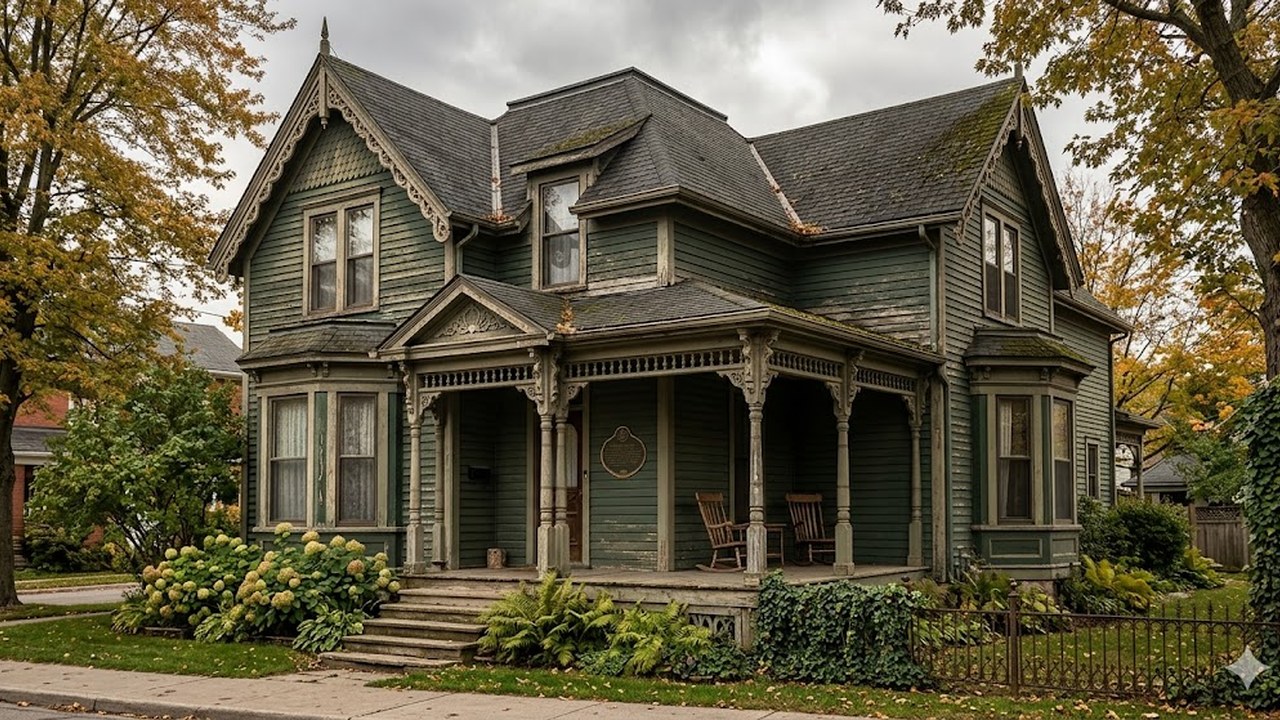
1The Challenge of Insuring Canada's Older and Heritage Homes
Canada has a rich architectural heritage. According to Statistics Canada's Survey of Household Spending and CMHC data, approximately 30% of Canadian homes were built before 1970, and roughly 12% were built before 1950. In cities like Montreal, Quebec City, Ottawa, Halifax, Victoria, and Toronto's older neighbourhoods, pre-war homes make up a significant portion of the housing stock.
Many of these homes are beautiful, well-built, and full of character — plaster walls, hardwood floors, original woodwork, and architectural details you simply can't find in modern construction. Some carry formal heritage designations under federal, provincial, or municipal heritage legislation, protecting them as culturally significant properties.
But owning an older or heritage home comes with a significant insurance challenge. These properties are harder to insure, more expensive to cover, and more likely to have claims denied if issues related to their age aren't properly managed. Outdated electrical systems, aging plumbing, oil-fired heating, and heritage building restrictions all contribute to higher risk profiles that make insurers cautious.
This guide explains exactly why older homes cost more to insure, what specific risk factors drive premiums up, how heritage designation complicates coverage, what upgrades can lower your costs, and how to find coverage even for the hardest-to-insure properties.
2Why Older Homes Cost More to Insure
Insurers price policies based on risk — the likelihood of a claim and the expected cost of that claim. Older homes present higher risk on both fronts. Here are the specific factors that drive up costs:
1. Knob-and-Tube Wiring
Knob-and-tube (K&T) wiring was standard in Canadian homes built before the 1950s. While it was perfectly acceptable when installed, it presents serious risks today:
- No ground wire: K&T systems have no grounding, increasing shock and fire risk
- Insulation contact: The wiring was designed to run through open air spaces. Over the decades, blown-in insulation has been added to many homes, surrounding the wires and creating fire hazards
- Deteriorating insulation: The rubber and cloth insulation on K&T wires degrades over time, exposing conductors
- Overloaded circuits: K&T was designed for the electrical demands of the 1930s and 1940s — far below what modern households require
According to the Electrical Safety Authority (ESA) in Ontario, K&T wiring is involved in a disproportionate number of residential electrical fires. Many insurers will not issue policies for homes with active K&T wiring, and those that do charge premiums 15% to 30% higher.
2. Galvanized Steel and Lead Plumbing
Homes built before the 1960s often have galvanized steel water supply pipes — sometimes with lead service connections. These pipes corrode from the inside over time, leading to:
- Reduced water flow and pressure
- Rust-coloured water
- Pin-hole leaks that can cause hidden water damage
- Catastrophic pipe bursts, especially during freeze-thaw cycles
Water damage is the most common home insurance claim in Canada, and older plumbing systems are a major contributor. Insurers know that galvanized pipes over 50 years old have a significantly higher failure rate.
3. Oil-Fired Heating and Underground Oil Tanks
Many older Canadian homes — particularly in Atlantic Canada, Quebec, and rural Ontario — still use oil-fired furnaces or boilers. The risks include:
- Oil tank leaks: Underground oil tanks can corrode and leak, causing environmental contamination that costs $50,000 to $250,000+ to remediate
- Furnace malfunctions: Older oil furnaces can produce carbon monoxide, backdraft, or ignite from fuel line failures
- Fuel oil spills: Interior tank failures can saturate floors and foundations with heating oil
Many insurers now require oil tanks to be less than 15 to 25 years old and may mandate above-ground tanks or refuse to insure homes with underground tanks entirely.
4. Other Age-Related Risk Factors
| Risk Factor | Common in Homes Built Before | Insurance Impact |
|---|---|---|
| Knob-and-tube wiring | 1950 | 15–30% surcharge or declined |
| 60-amp electrical service | 1960 | 10–20% surcharge |
| Aluminum wiring | 1978 | 10–25% surcharge or declined |
| Galvanized steel plumbing | 1960 | 5–15% surcharge |
| Oil heating / underground tank | Any age | 10–20% surcharge or declined |
| Asbestos insulation or siding | 1980 | Usually covered; removal costs not covered |
| Wood-burning as primary heat | Any age | 10–15% surcharge; WETT inspection required |
| Plaster walls (vs drywall) | 1950 | Increases replacement cost estimates |
| Slate or clay tile roof | 1940 | Higher replacement costs; 10–20% surcharge |
| Stone or rubble foundation | 1920 | Water infiltration risk; 10–15% surcharge |
3Heritage Designation: Beautiful but Expensive to Insure
Canada has a robust heritage preservation framework at all three levels of government. Approximately 12,700 properties are formally designated under federal, provincial, or municipal heritage legislation across Canada. If your home carries a heritage designation, it affects your insurance in several important ways.
How Heritage Designation Works
Heritage designation can come from:
- Federal: National Historic Sites designated under the Historic Sites and Monuments Act
- Provincial: Heritage property designations under provincial legislation (e.g., Ontario Heritage Act, BC Heritage Conservation Act, Quebec Cultural Heritage Act)
- Municipal: Heritage designation by local councils, often with heritage districts or individual property designations
Insurance Implications of Heritage Designation
Heritage designation typically restricts what you can do to the exterior — and sometimes interior — of your home. From an insurance perspective, the key impact is on replacement and repair costs:
- Original materials required: If your heritage home has original slate roofing, you may be required to replace it with slate — not modern asphalt shingles. Slate roofing costs $25,000 to $50,000+ compared to $8,000 to $15,000 for asphalt.
- Period-appropriate construction methods: Heritage standards may require traditional building techniques — hand-laid brick, lime mortar, custom millwork — that are far more expensive than modern methods.
- Specialized contractors: Not every contractor can work on heritage properties. Heritage restoration specialists typically charge 30% to 100% more than standard contractors.
- Longer restoration timelines: Heritage work takes longer due to approval processes, material sourcing, and specialized techniques — increasing additional living expense (ALE) claims.
- Approval delays: Any exterior work may require approval from a heritage committee or conservation authority, adding weeks or months to repair timelines.
Replacement Cost vs Actual Cash Value
For heritage homes, the gap between replacement cost and actual cash value (ACV) can be enormous. A heritage home that might sell for $600,000 on the real estate market could cost $1.2 million or more to rebuild using heritage-appropriate materials and methods. This means:
- You need guaranteed replacement cost coverage — not just standard replacement cost, which may cap at a percentage above your dwelling limit
- You may need a heritage building endorsement or bylaws coverage endorsement that specifically accounts for heritage restoration requirements
- Regular appraisals (every 3 to 5 years) are essential to ensure your dwelling limit keeps pace with heritage construction costs
4The Replacement Cost Problem with Older Homes
Even without heritage designation, older homes present a replacement cost challenge that affects every homeowner's coverage adequacy.
Why Older Homes Cost More to Rebuild
Modern homes are built with standardized materials and techniques — drywall, engineered lumber, pre-fabricated trusses, and factory-made components. Older homes were built differently:
| Feature | Older Home | Modern Equivalent | Cost Difference |
|---|---|---|---|
| Walls | Plaster and lath | Drywall | 3–5x more expensive |
| Trim and moulding | Custom millwork, solid wood | MDF or factory profiles | 2–4x more expensive |
| Flooring | Hardwood (often old-growth) | Engineered hardwood or LVP | 2–3x more expensive |
| Windows | Custom-sized, wood-frame | Standard-sized, vinyl | 3–5x more expensive |
| Foundation | Stone, rubble, or brick | Poured concrete | 2–3x more expensive to repair |
| Roofing | Slate, cedar shake, or clay tile | Asphalt shingles | 3–6x more expensive |
| Stairs and railings | Hand-crafted, solid wood | Prefabricated | 3–5x more expensive |
The Underinsurance Risk
Many older homeowners are significantly underinsured because their dwelling coverage is based on modern construction costs rather than the actual cost of restoring their home's original features. If your 1920s home has original plaster ceilings with decorative medallions, hand-carved balusters, and leaded glass windows, replacing these features after a fire will cost far more than installing drywall, stock railings, and vinyl windows.
The Insurance Bureau of Canada (IBC) estimates that up to 60% of Canadian homeowners are underinsured, and this problem is most acute among owners of older homes. A professional replacement cost appraisal — which typically costs $300 to $600 — is one of the best investments an older homeowner can make to ensure adequate coverage.
6Finding Coverage for Hard-to-Insure Older Homes
If your older home has been declined by one or more insurers, don't panic. There are still paths to coverage — you just need to know where to look.
Step 1: Work with an Independent Broker
Direct-to-consumer insurers (like Sonnet, Belairdirect, or insurer websites) use automated underwriting that often auto-declines older homes with certain risk factors. An independent insurance broker has access to multiple insurers and specialty markets that don't operate online. Brokers who specialize in older or rural properties often have relationships with underwriters who are willing to consider higher-risk homes.
Step 2: Specialty and Surplus Lines Insurers
Several insurers in Canada specialize in — or are at least willing to consider — older and heritage homes:
- Wawanesa: Known for being more flexible with older homes, particularly in the Prairies and Ontario
- Economical (now Definity): Has programs for heritage properties
- Pembridge/Pafco (Intact Group): Specializes in non-standard risks including older homes
- Gore Mutual: Regional insurer with experience in heritage properties, particularly in Ontario
- RSA (now Intact): Has heritage home programs available through brokers
Step 3: The Facility Association (Last Resort)
If no insurer in the regular market will cover your home, the Facility Association is your safety net. Every province has one, and it's funded by all licensed property insurers operating in that province. Here's what to expect:
- Premiums: 2 to 4 times higher than regular market rates
- Coverage: Often more limited — may exclude certain perils or have lower limits
- Deductibles: Higher than standard policies
- Conditions: The Facility Association will typically require you to make specific improvements (e.g., electrical upgrade, tank removal) within a set timeframe to eventually qualify for regular market insurance
Step 4: Get an Inspection Done Proactively
Before approaching insurers, consider getting a professional home inspection that specifically addresses insurance-relevant systems. Having a report from a licensed electrician confirming your knob-and-tube wiring is safe, or from a TSSA-certified technician confirming your oil tank's condition, gives underwriters the information they need to say yes instead of defaulting to a decline.
7Practical Tips for Older Home Insurance in Canada
Here's a checklist of practical actions every older homeowner in Canada should take to optimize their insurance situation:
Before You Buy an Older Home
- Get insurance quotes before closing: Don't assume you can insure any home. Check insurability before you buy — especially for homes with K&T wiring, oil tanks, or heritage designations
- Order a comprehensive home inspection: Specifically ask about electrical (type and age), plumbing (material and condition), heating (type and age), and roof (material and age)
- Budget for upgrades: Factor in the cost of electrical, plumbing, and heating upgrades as part of your purchase budget
- Ask about heritage status: Check with your municipality whether the property is listed, registered, or designated under any heritage program
If You Already Own an Older Home
- Get a replacement cost appraisal: Especially if your home has unique features, custom millwork, or heritage elements. This costs $300 to $600 but ensures you're adequately insured
- Prioritize upgrades: Focus on the "big four" (electrical, plumbing, heating, roof) and provide proof of completion to your insurer for premium reductions
- Install water and fire protection: Water leak sensors, sump pumps with battery backup, and monitored fire/smoke detection systems can all qualify for discounts
- Document your home: Keep a detailed inventory of your home's features, finishes, and contents — including photos and receipts for any restoration work
- Review your policy annually: Ensure your dwelling limit reflects current rebuilding costs — construction costs have increased by over 30% since 2020 in most Canadian markets
8Protecting Canada's Older Homes Without Breaking the Bank
Owning an older or heritage home in Canada is a privilege — these properties represent the country's architectural history and offer character, craftsmanship, and charm that modern homes simply can't replicate. But they require a more thoughtful approach to insurance than a new-build subdivision home.
The key takeaways for every older homeowner:
- Understand your risk factors: Know what systems in your home are outdated and how they affect your insurance
- Invest strategically in upgrades: Electrical, plumbing, heating, and roof upgrades pay for themselves through premium savings and reduced risk
- Get proper appraisals: Don't guess at replacement costs — especially for heritage homes. Professional appraisals prevent underinsurance
- Work with a broker: Direct-to-consumer insurers often can't handle the complexity of older homes. A broker with specialty market access is invaluable
- Don't give up: Even if you've been declined, the Facility Association ensures no Canadian homeowner is left without coverage
Your older home has stood for decades — in some cases, over a century. With the right insurance coverage and proactive maintenance, it can stand for many more decades to come.
Frequently Asked Questions
Older homes cost more to insure because they present higher risks to insurers. Common issues include outdated electrical systems (knob-and-tube wiring, 60-amp panels), old plumbing (galvanized steel or lead pipes that are prone to leaks and bursts), oil-fired heating systems (risk of leaks and tank failure), aging roofs, and materials that are more expensive to repair or replace than modern equivalents. A home built in the 1950s with original systems can cost 25% to 75% more to insure than a comparable modern home.
It is possible but increasingly difficult. Many mainstream insurers in Canada will not issue new policies for homes with active knob-and-tube wiring. Some will provide coverage if the wiring has been inspected by a licensed electrician and certified as safe, or if it has been partially updated in high-risk areas like kitchens and bathrooms. Expect to pay a significant surcharge — typically 15% to 30% above standard rates. Your best options are working with a broker who has access to specialty markets or replacing the wiring entirely, which typically costs $8,000 to $15,000 for an average Canadian home.
The Facility Association is Canada's insurer of last resort — a pool funded by all licensed insurers in each province that provides coverage to homeowners who cannot find insurance in the regular market. If every insurer you approach declines to cover your older home, your broker can place your policy through the Facility Association. Coverage is available but comes with significant drawbacks: premiums are typically 2 to 4 times higher than standard market rates, coverage may be more limited, and you'll usually need to make improvements to your home to eventually qualify for regular market insurance again.
Yes, significantly. A heritage designation — whether federal, provincial, or municipal — can restrict what modifications you can make to your home, often requiring the use of original or period-appropriate materials and construction methods for repairs. This dramatically increases replacement and repair costs. For example, replacing a heritage home's original slate roof costs $25,000 to $50,000 or more compared to $8,000 to $15,000 for modern asphalt shingles. Insurers must account for these higher costs, resulting in premiums that can be 30% to 100% higher than non-designated homes.
The four upgrades that have the biggest impact on reducing older home insurance premiums are: electrical system modernization (replacing knob-and-tube or aluminum wiring with copper and upgrading to a 200-amp panel — can reduce premiums by 15% to 25%), plumbing replacement (swapping galvanized steel pipes for copper or PEX — 5% to 15% reduction), heating system upgrade (replacing an oil furnace with a modern gas or electric system and removing the oil tank — 10% to 20% reduction), and roof replacement (new shingles or metal roofing — 5% to 10% reduction). Combined, these upgrades can reduce your premium by 30% to 50%.
Own an older or heritage home? Get quotes from insurers who specialize in hard-to-insure properties.
Get Your Quote